From single molecules, cells and organisms, to populations, communities and ecosystems at the laboratory, local, landscape to regional scales, our laboratories at IISER Kolkata build research and teaching that straddle multiple disciplines — in close step with physics, chemistry, mathematics and earth sciences.
Moments from the Mohanpur campus — convocations, teaching days, and the seasons and skies of the campus.
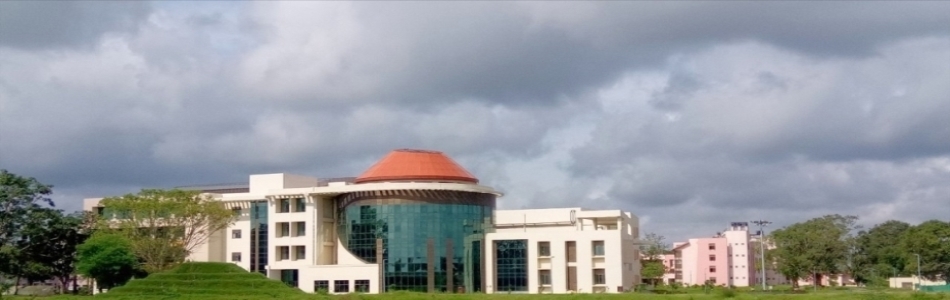 A P C Ray Lecture Hall Complex Building
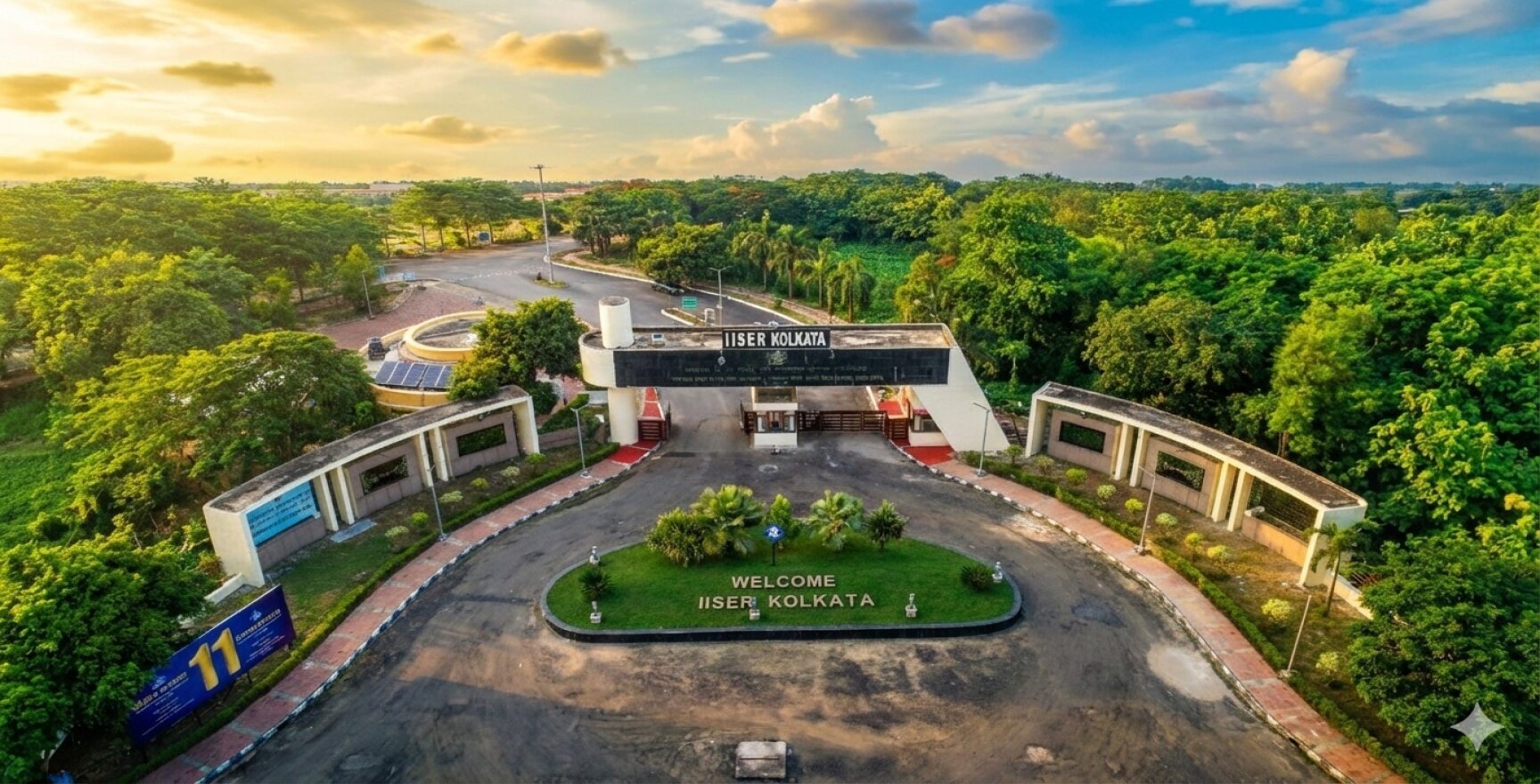
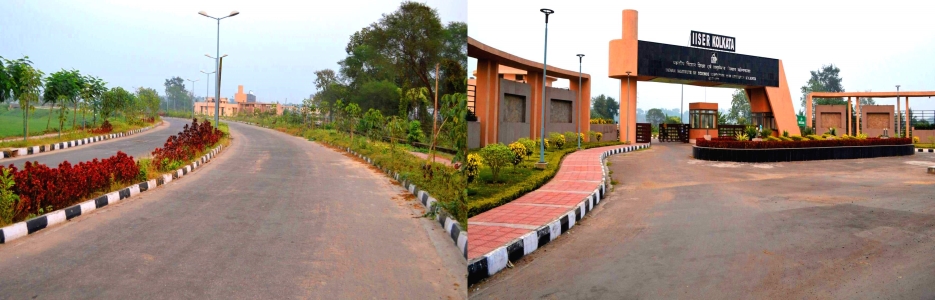 Mohanpur Campus Gate
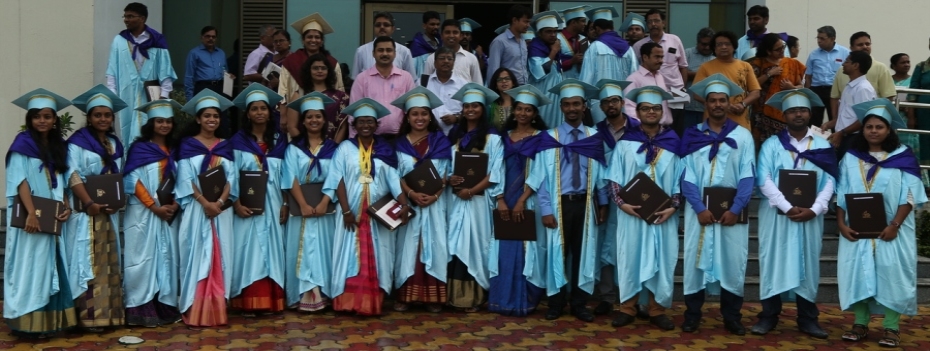 Convocation
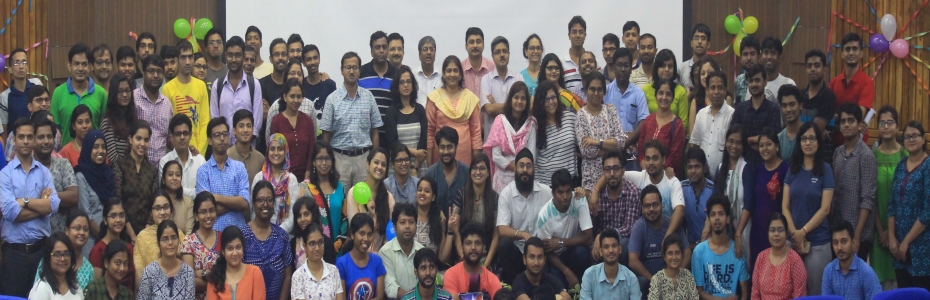 Teachers' Day
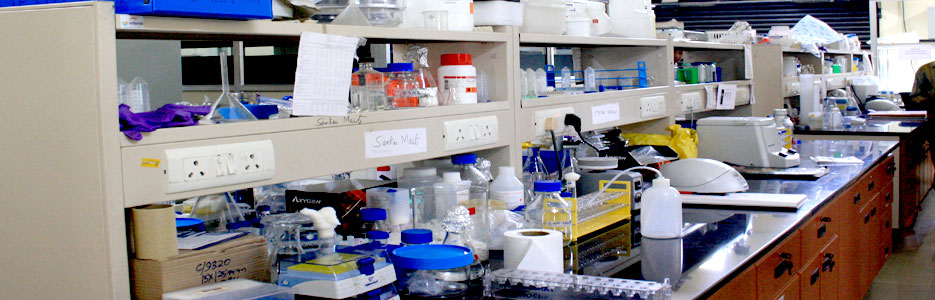 In the Lab
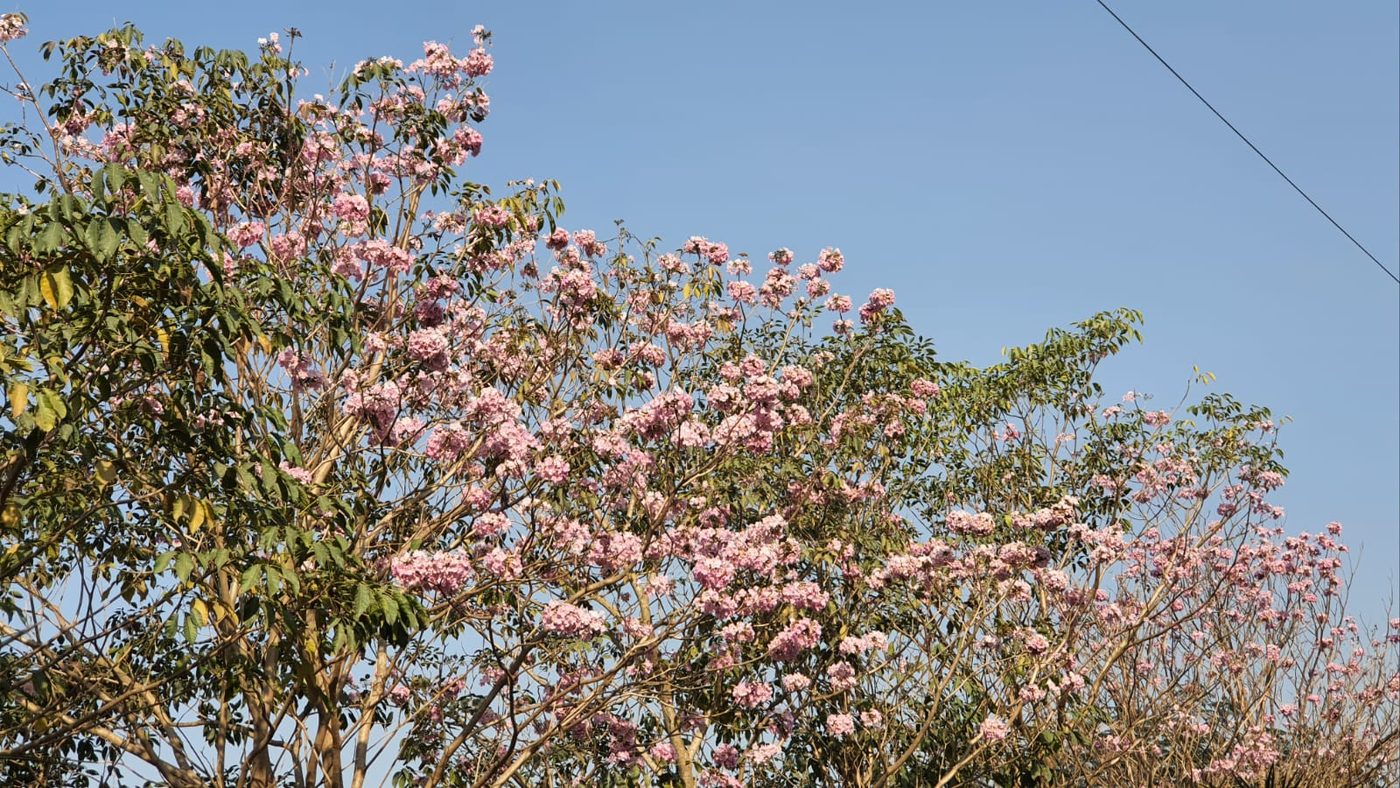 Pink trumpet trees in bloom
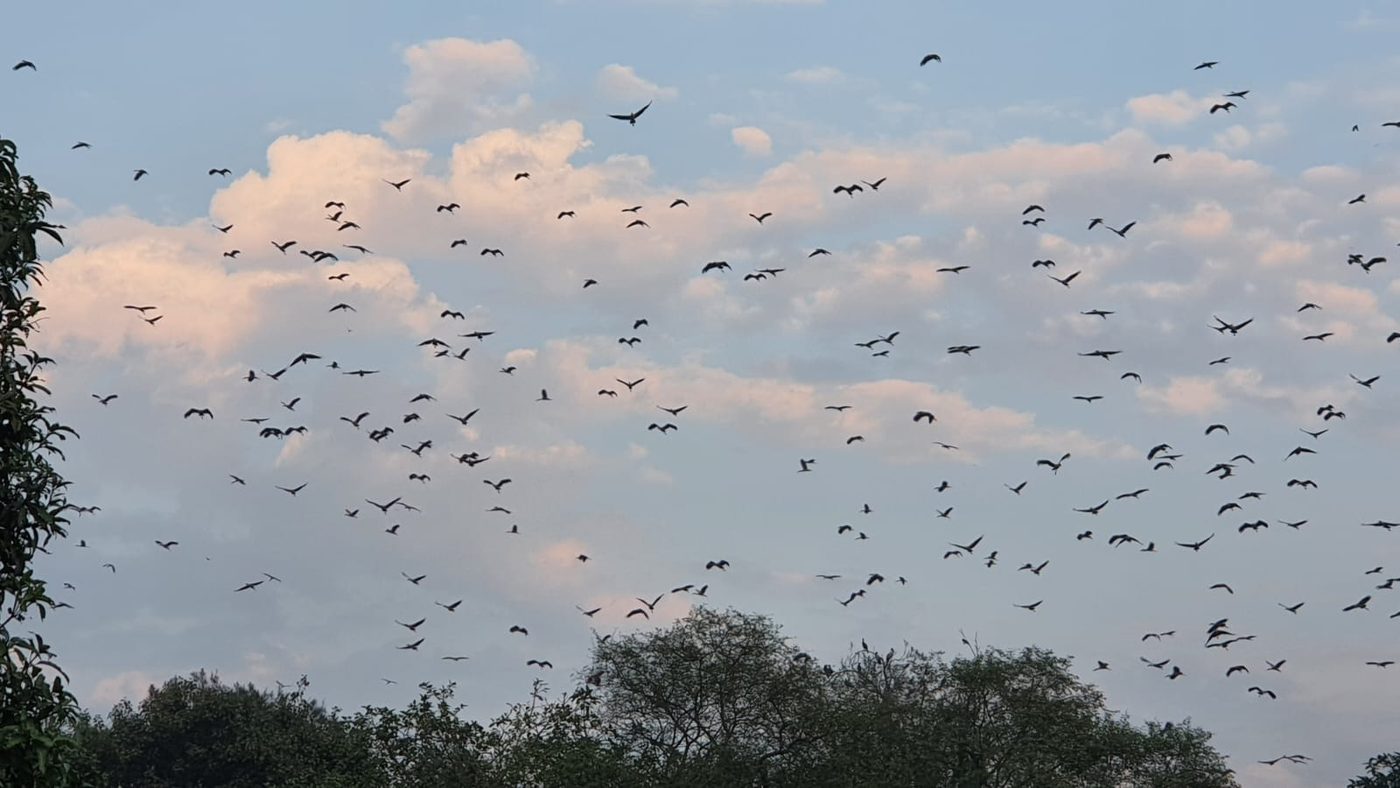 Birds at dusk
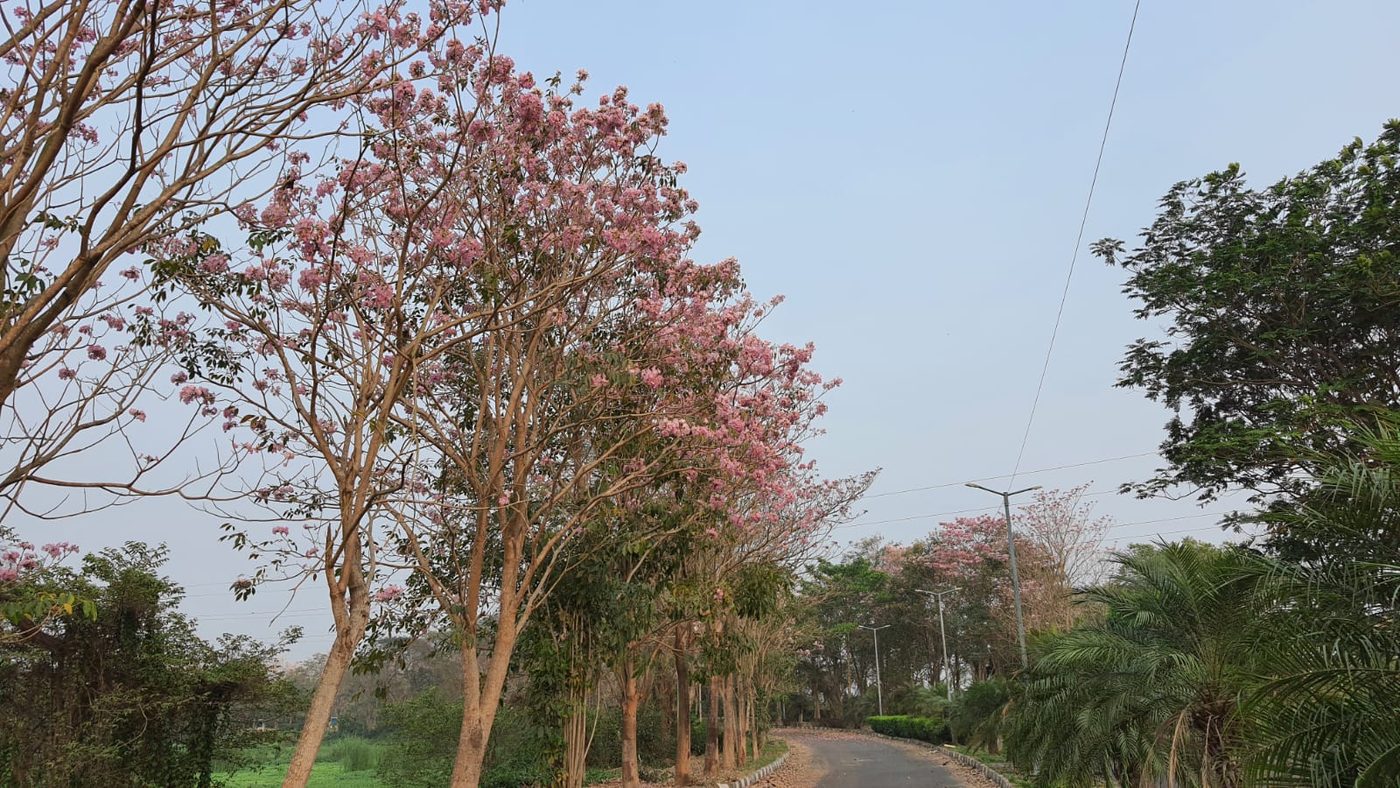 Blooming trees along the campus road
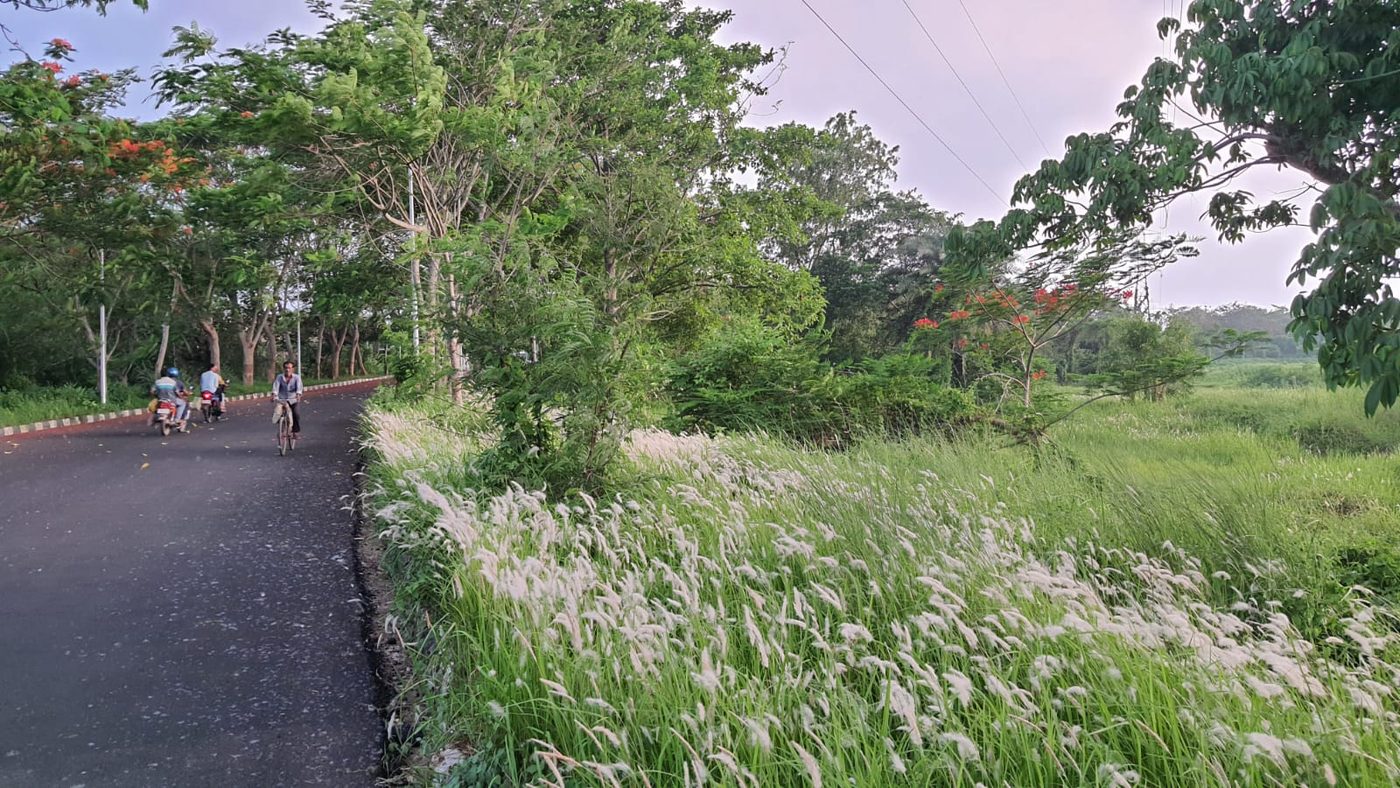 White grass plumes by the road
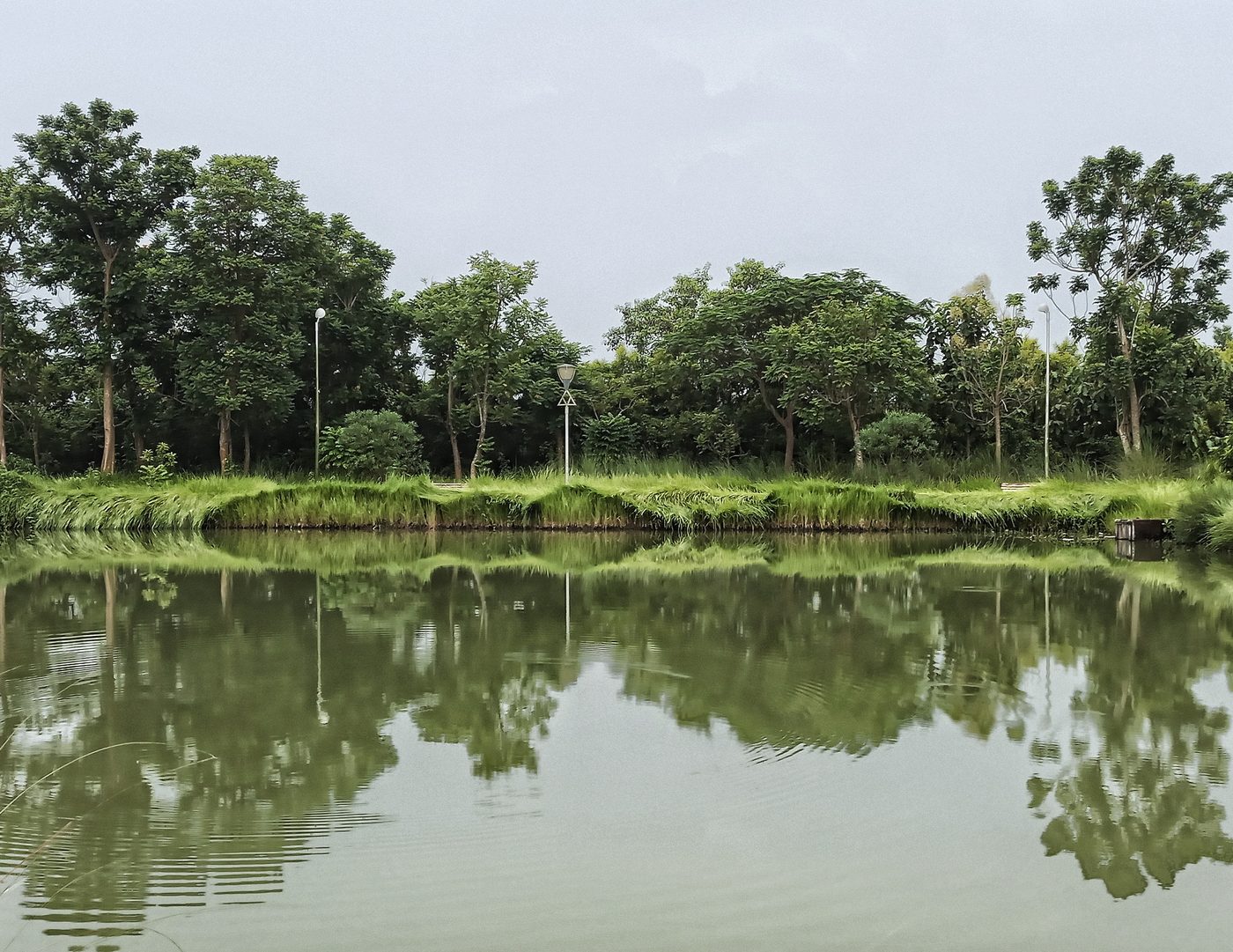 Pond reflections
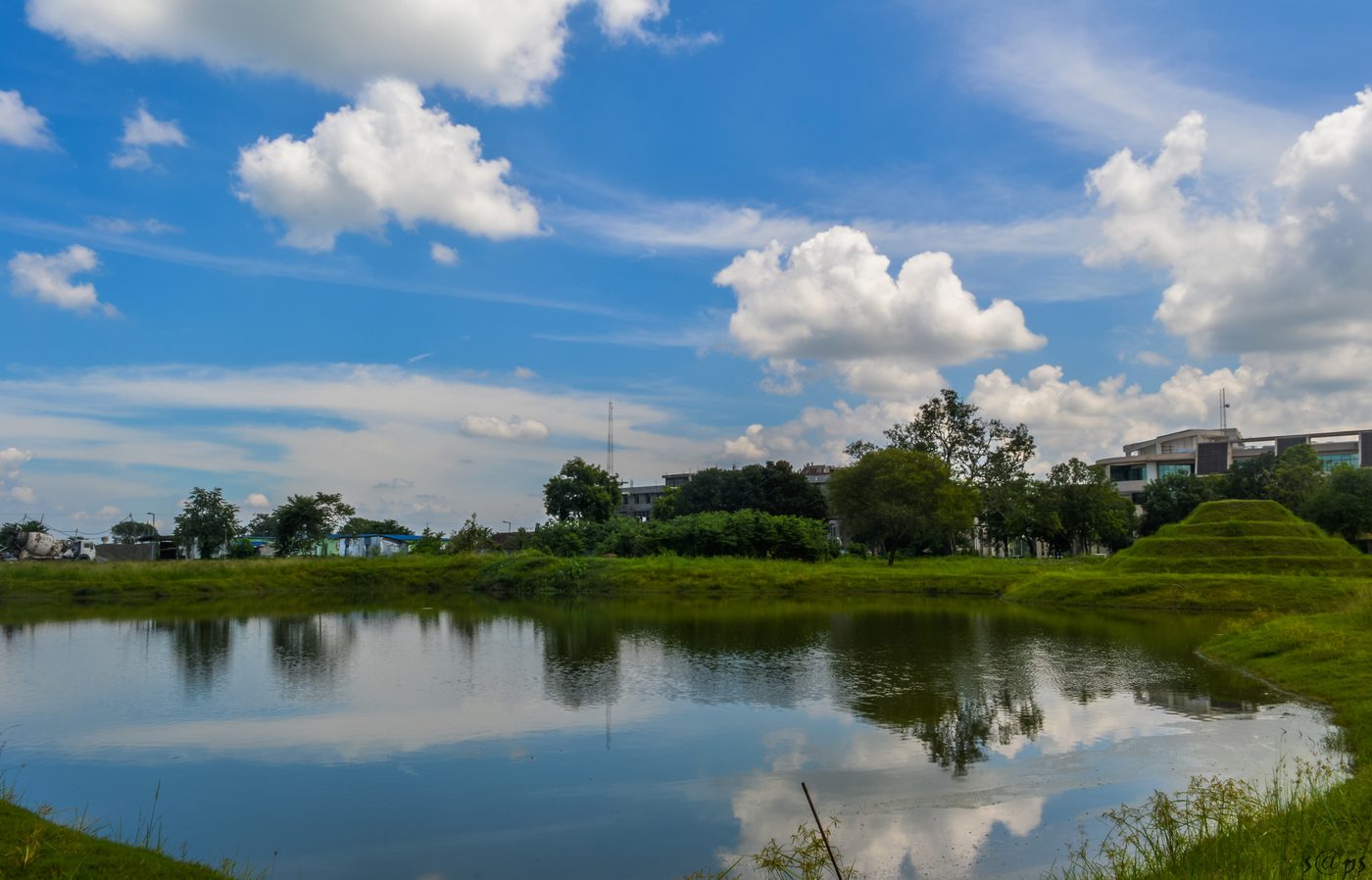 Monsoon sky over the pond
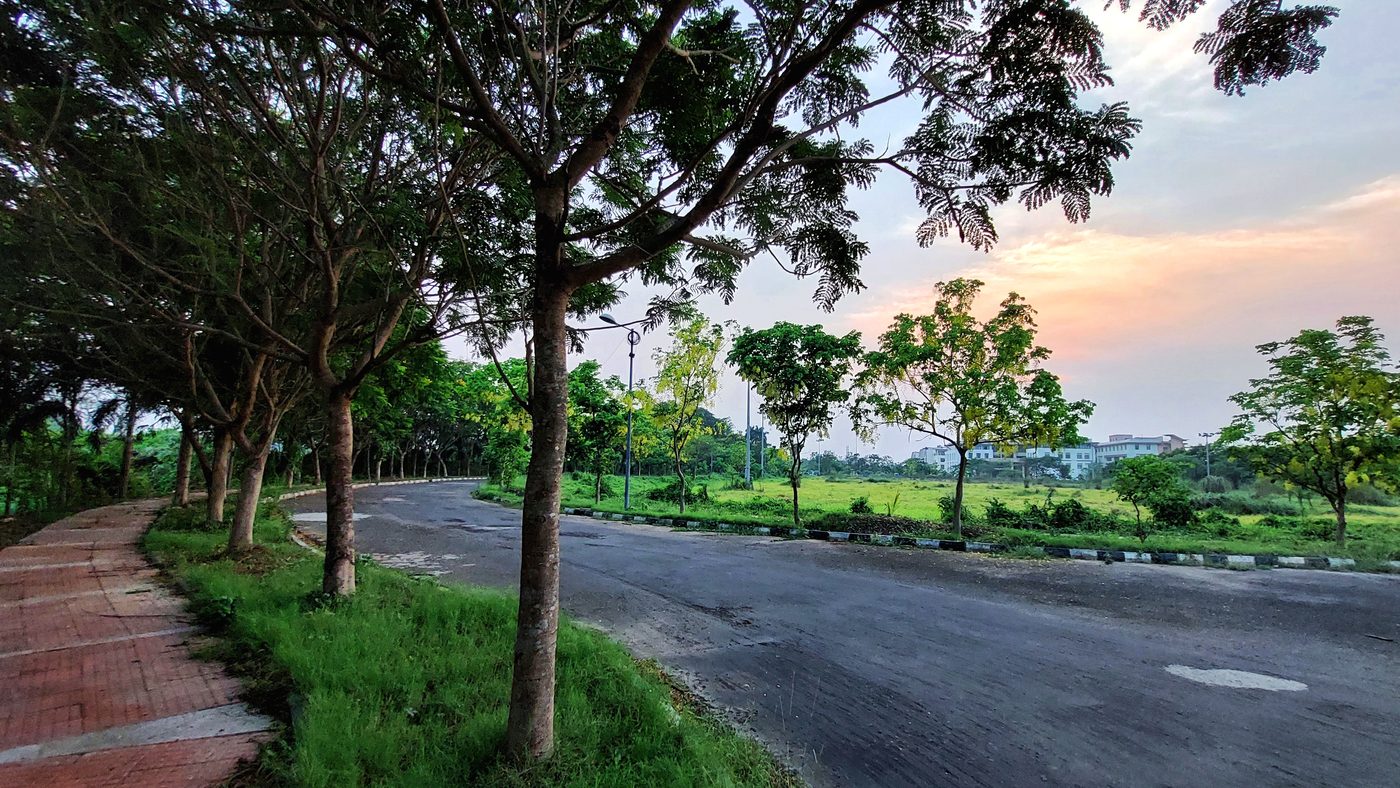 Evening along the campus road
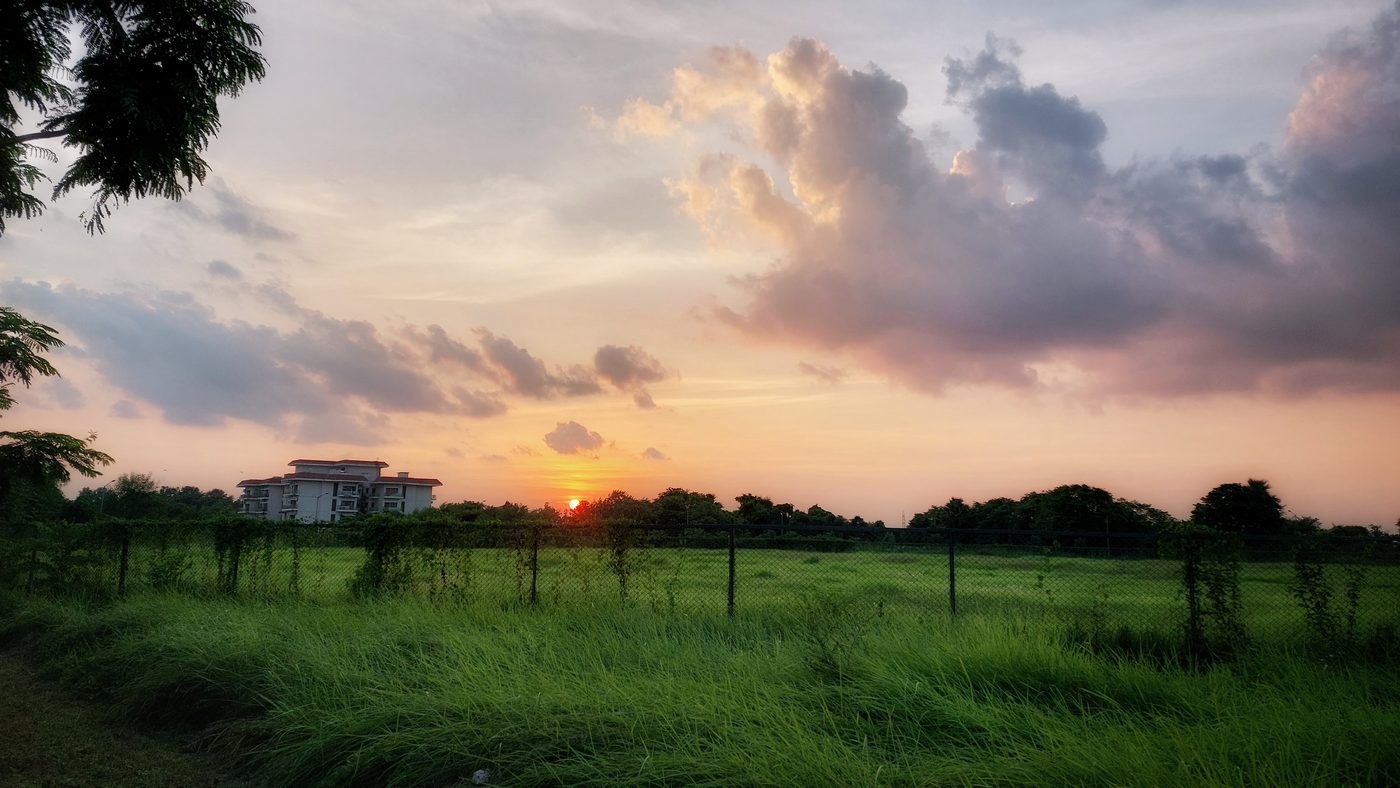 Sunset over the fields
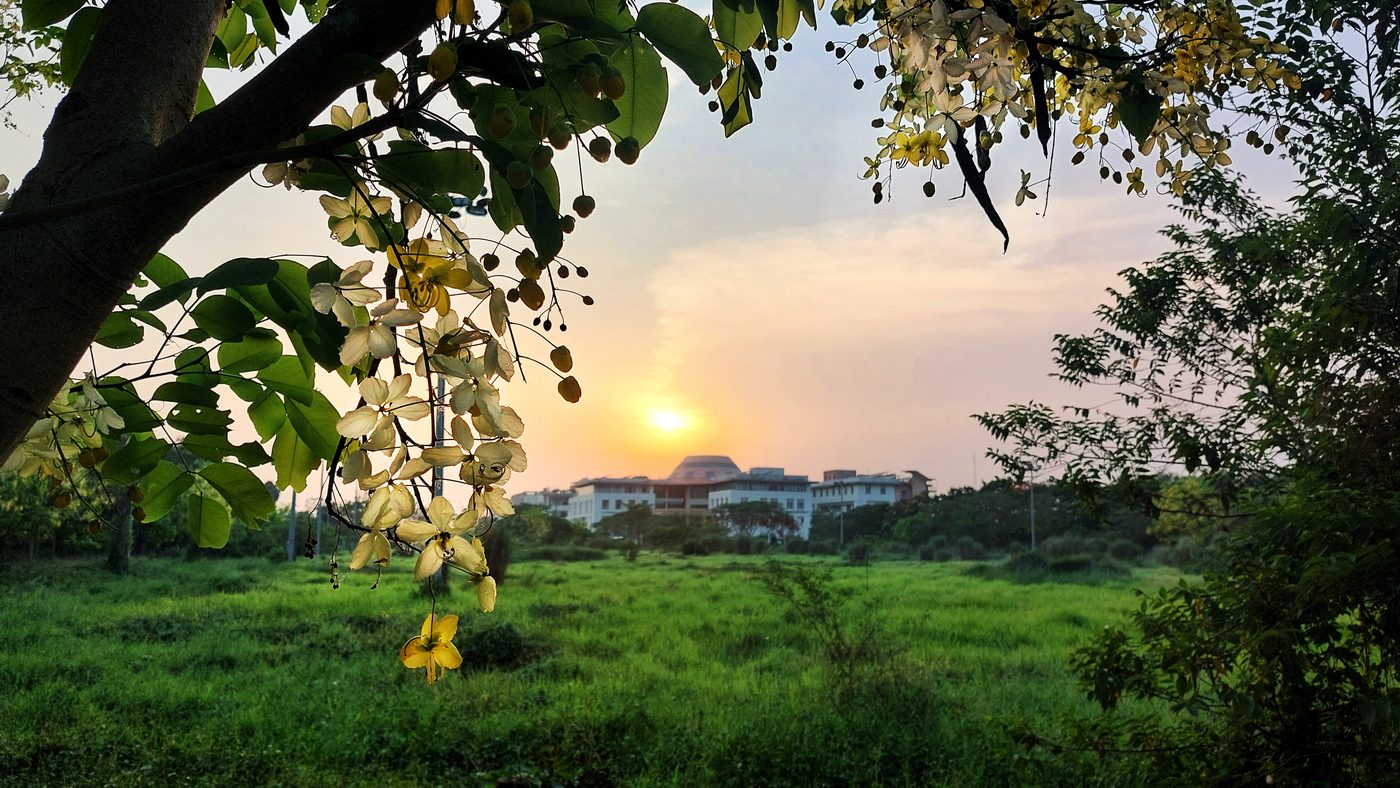 Blossoms at sunset
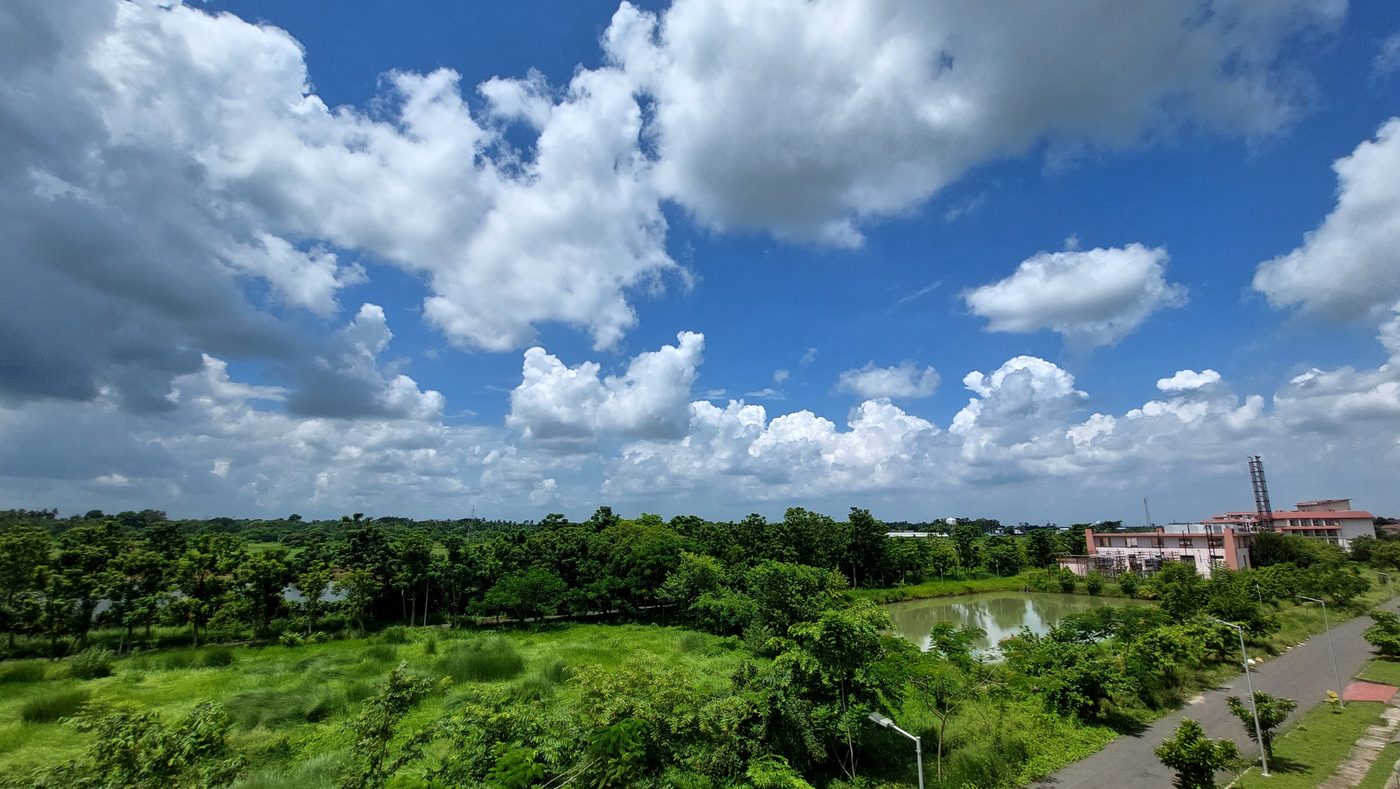 Monsoon clouds
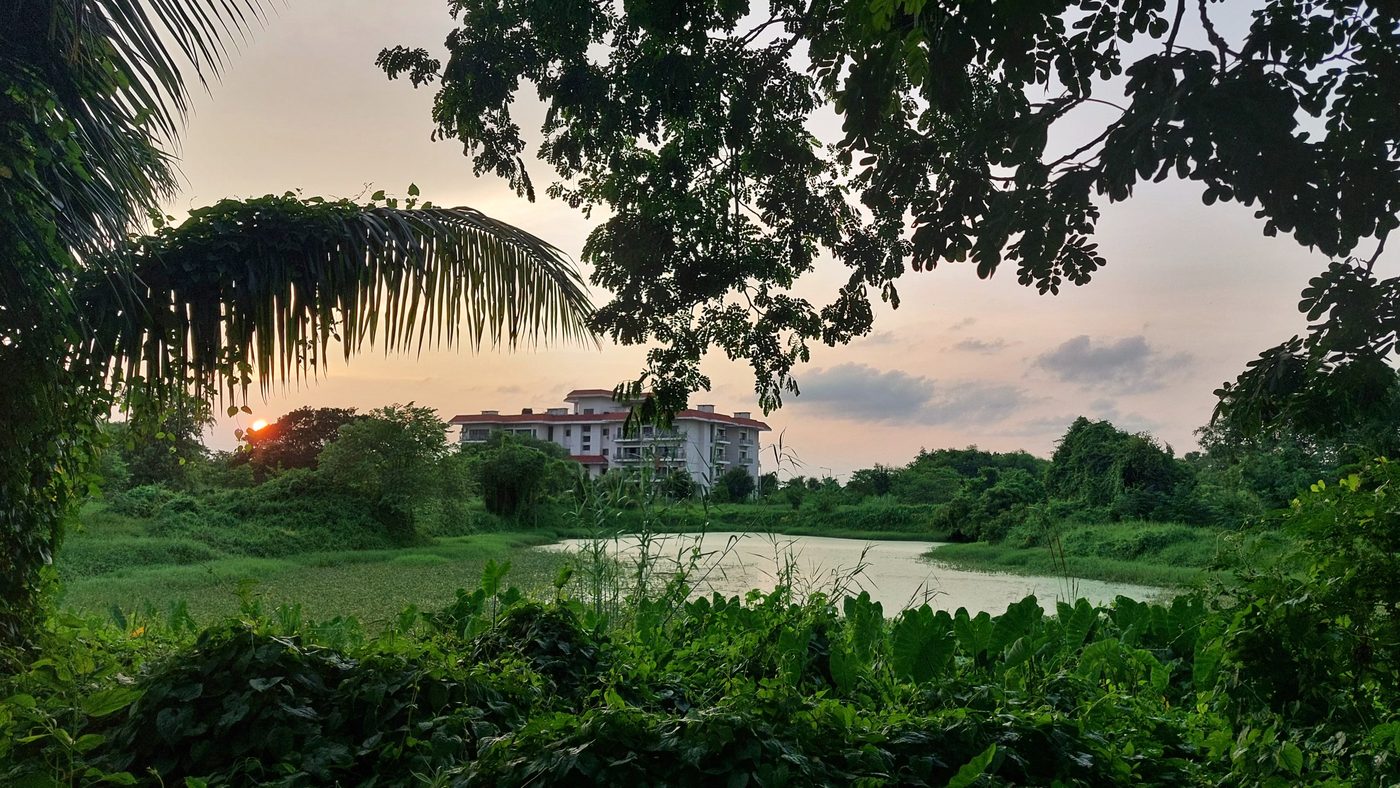 Sunset by the pond
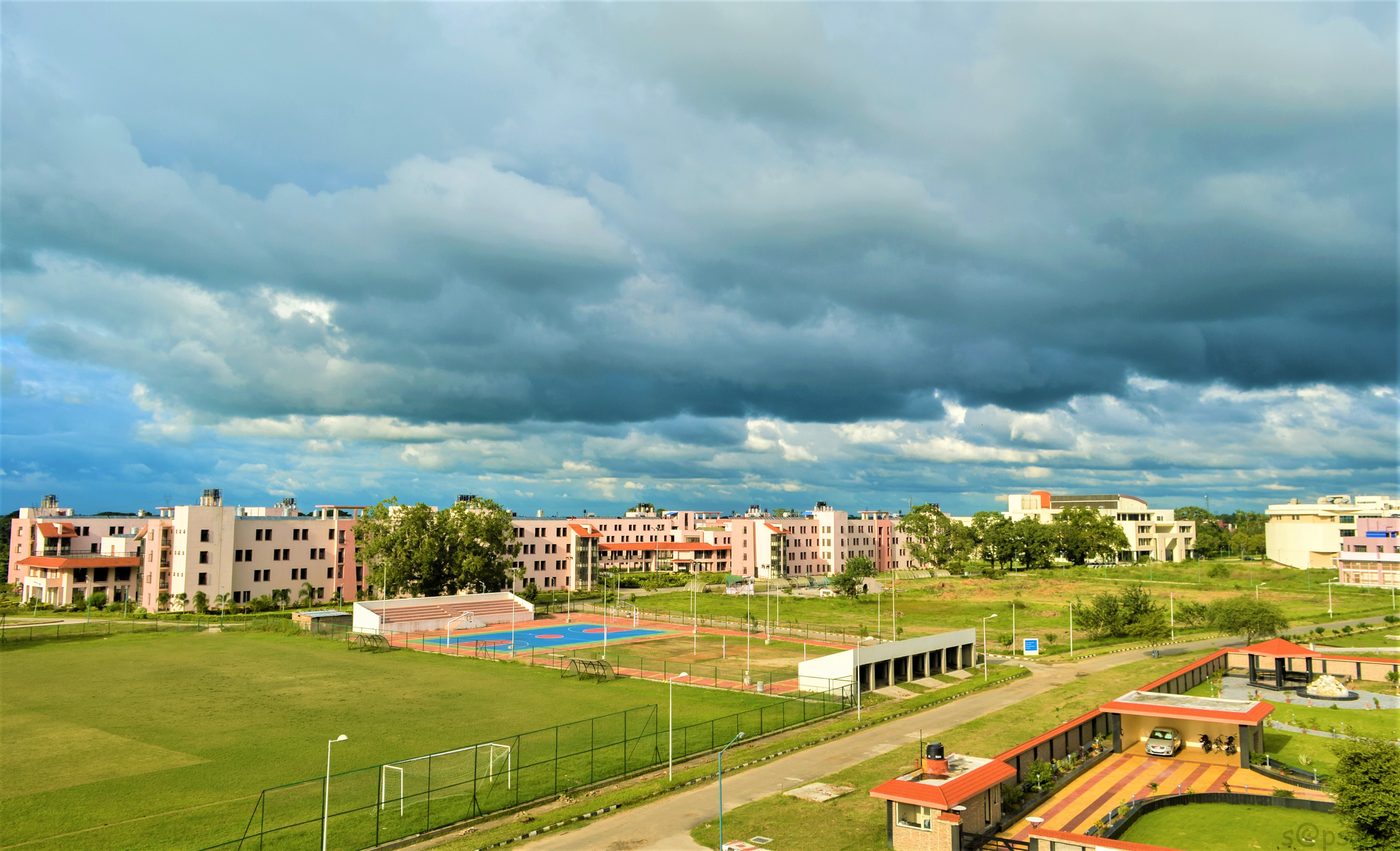 Campus under a monsoon sky
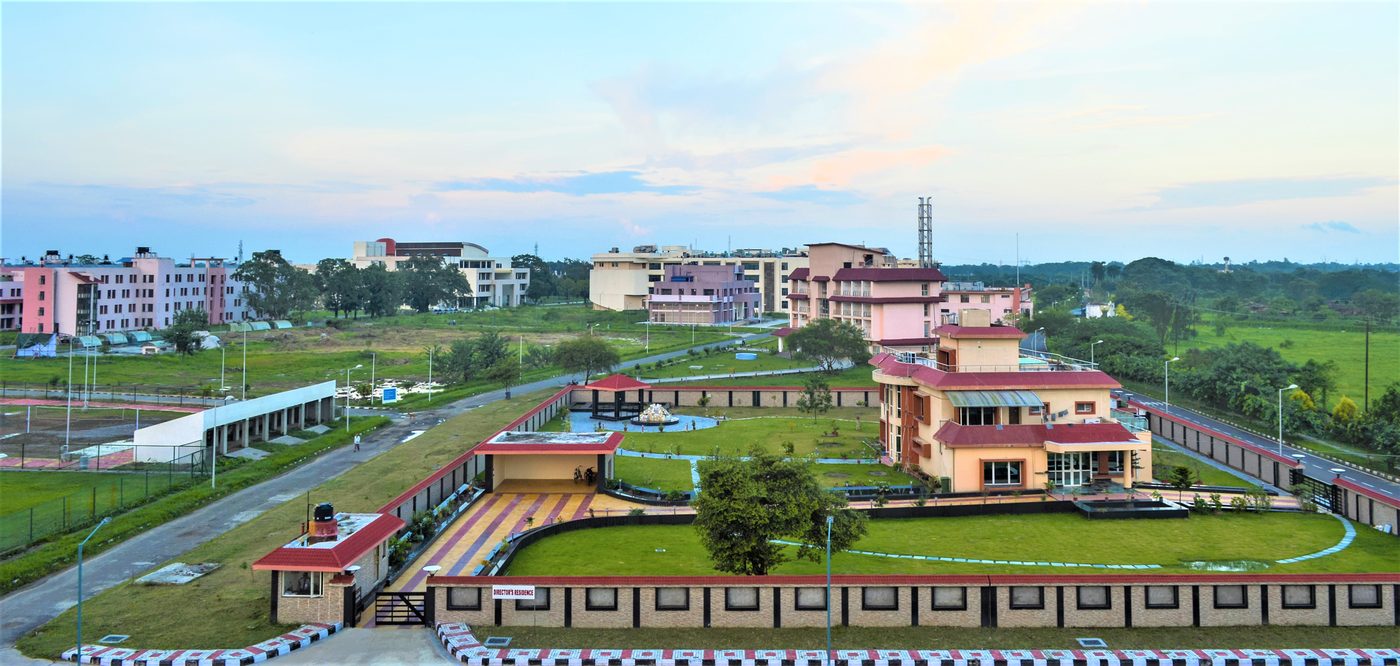 Campus aerial view
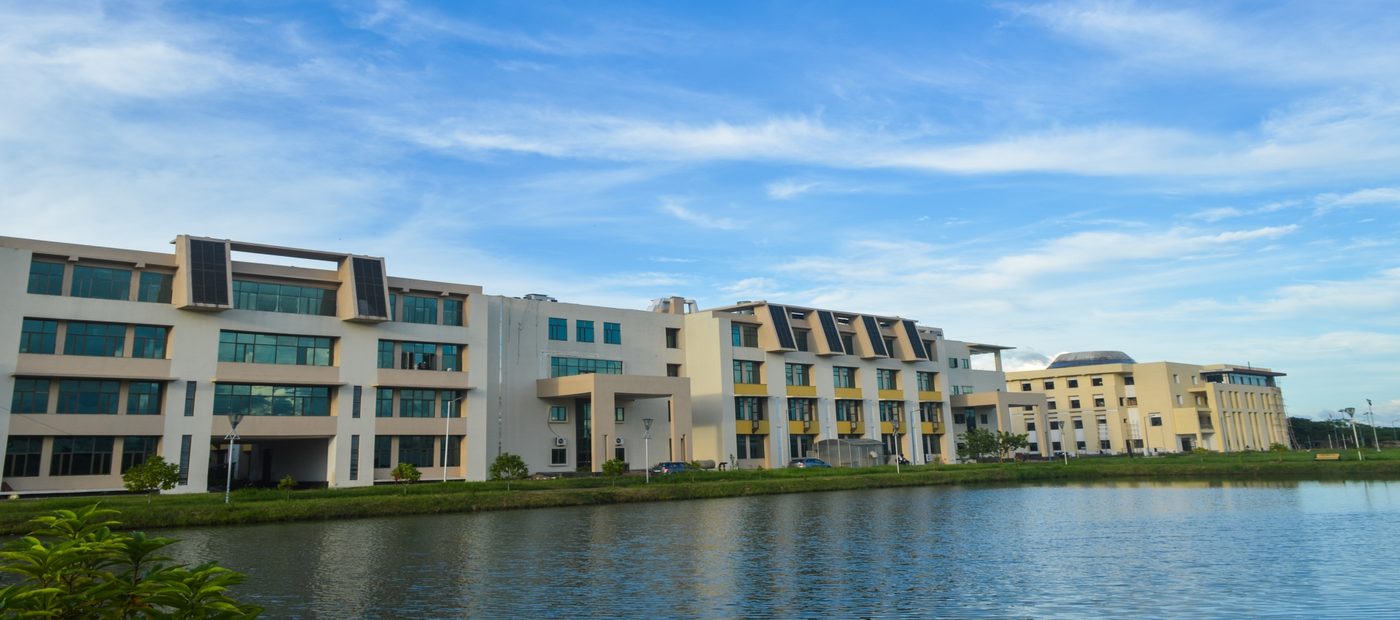 Academic buildings by the lake
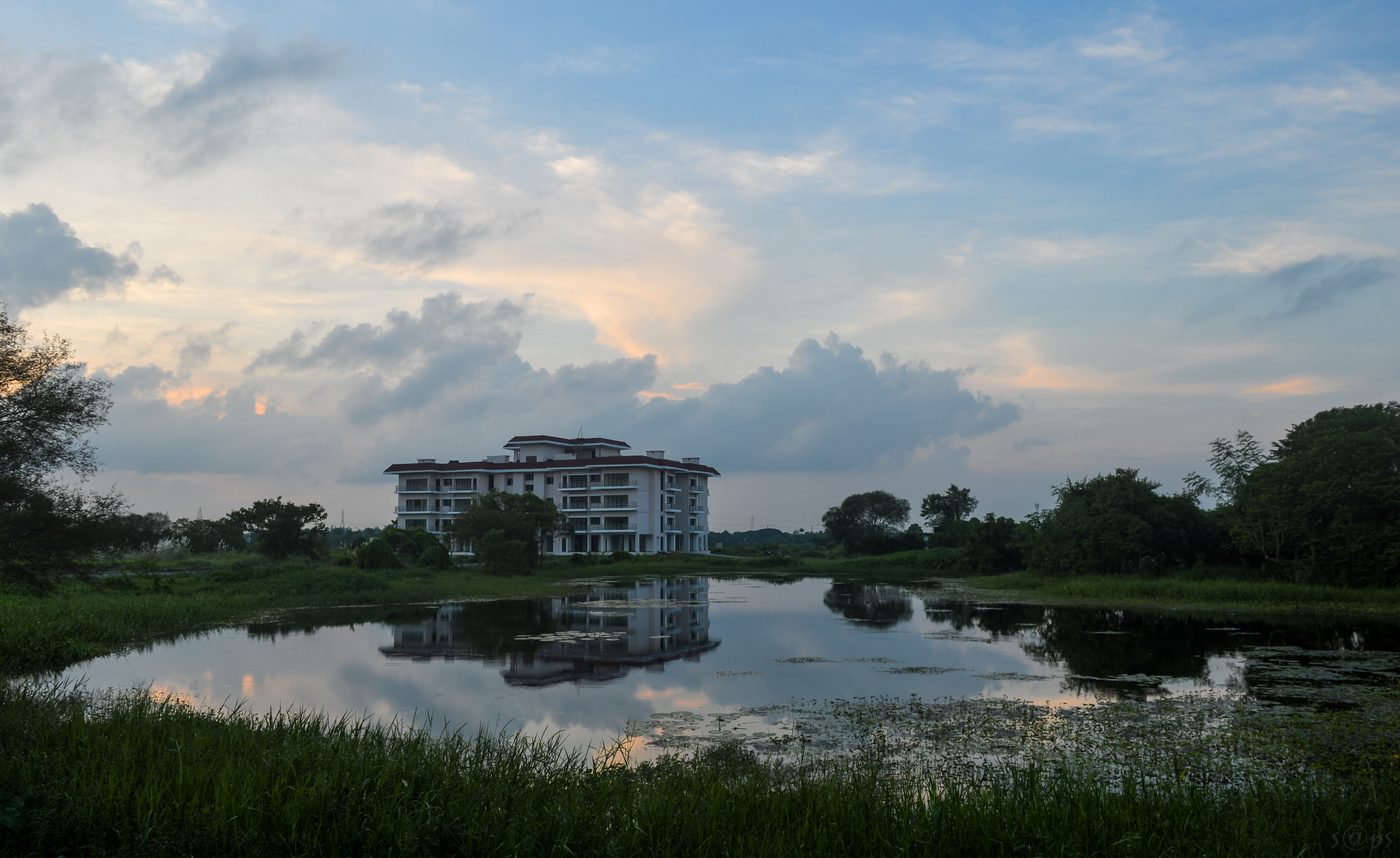 Dusk at the lake
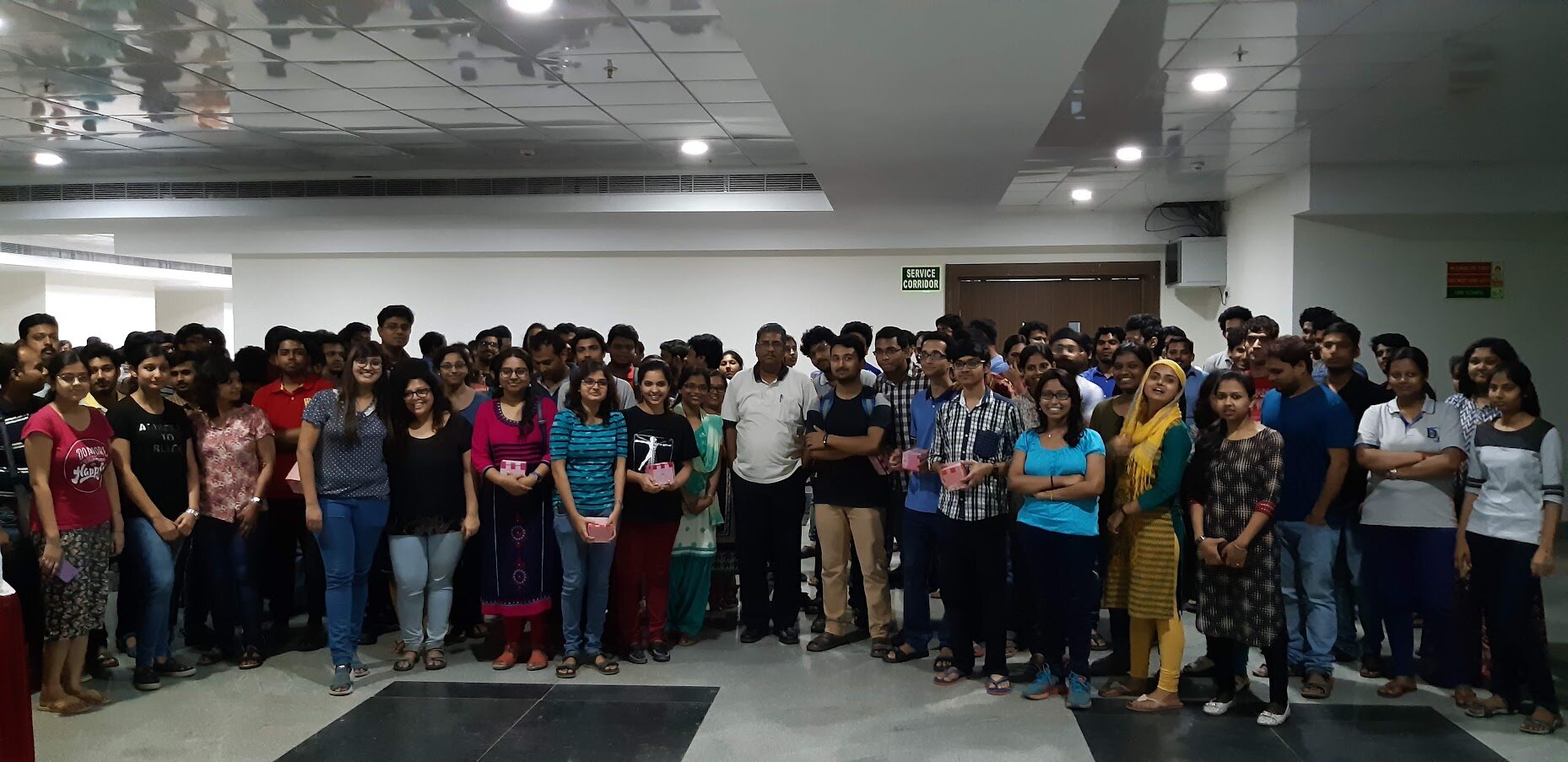
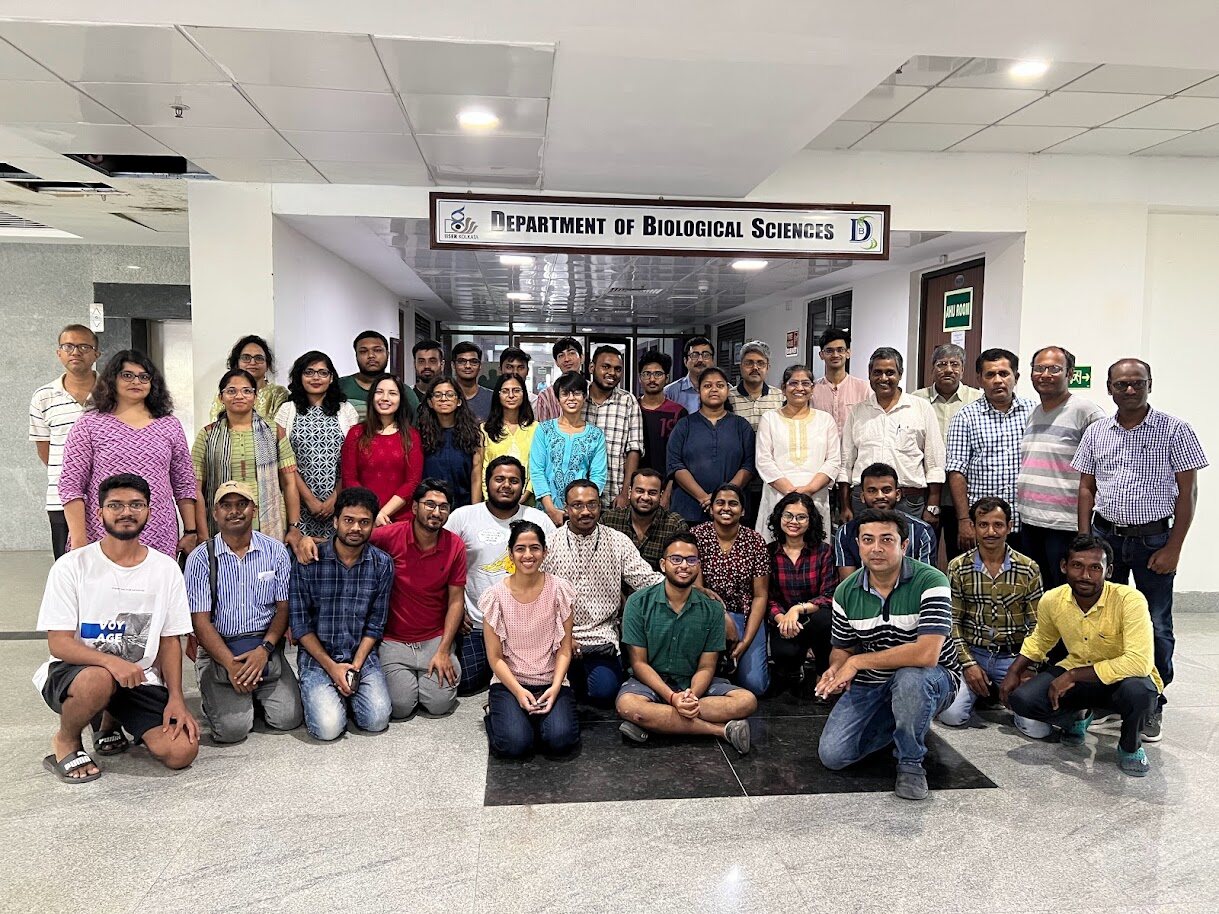
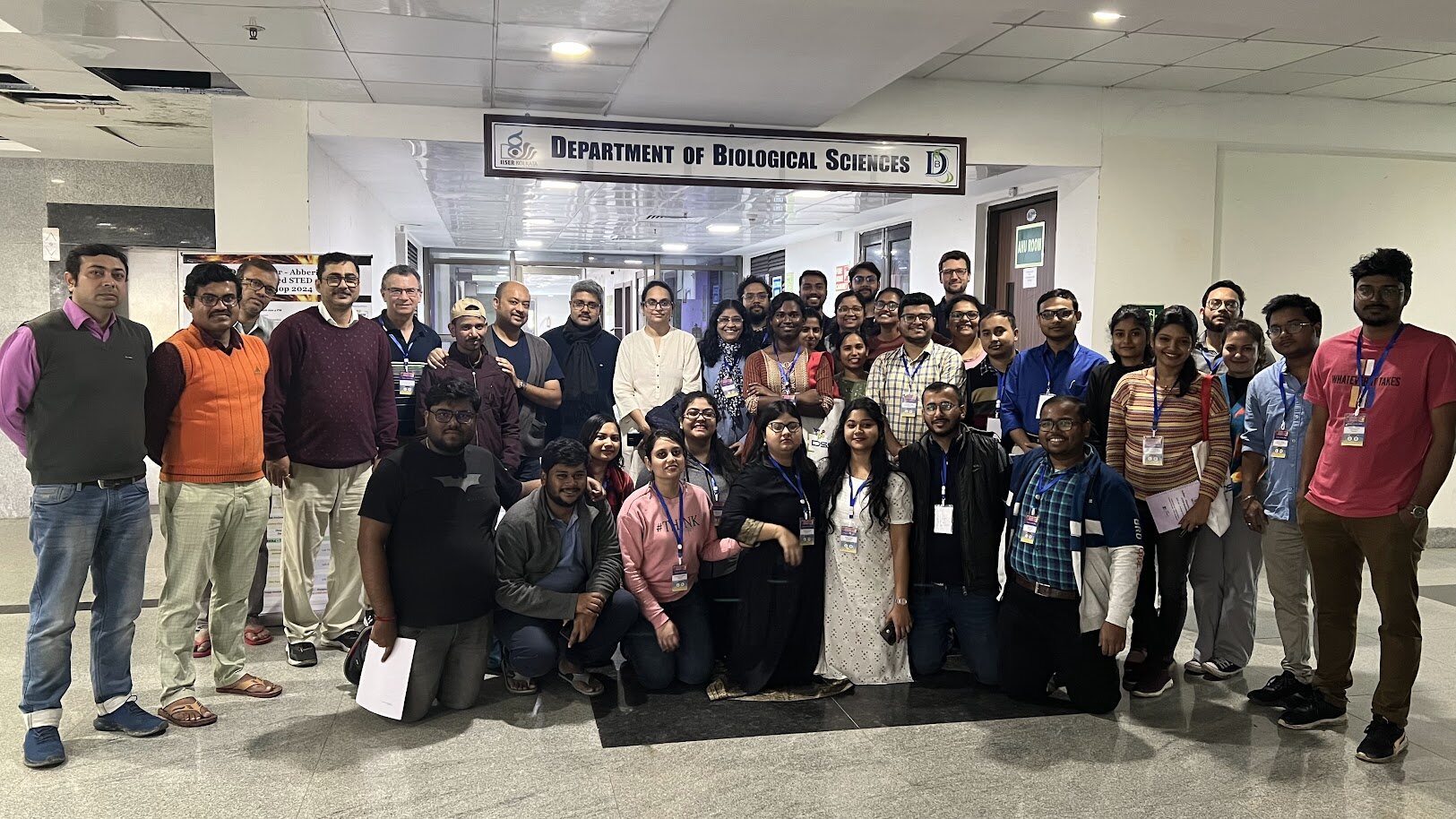
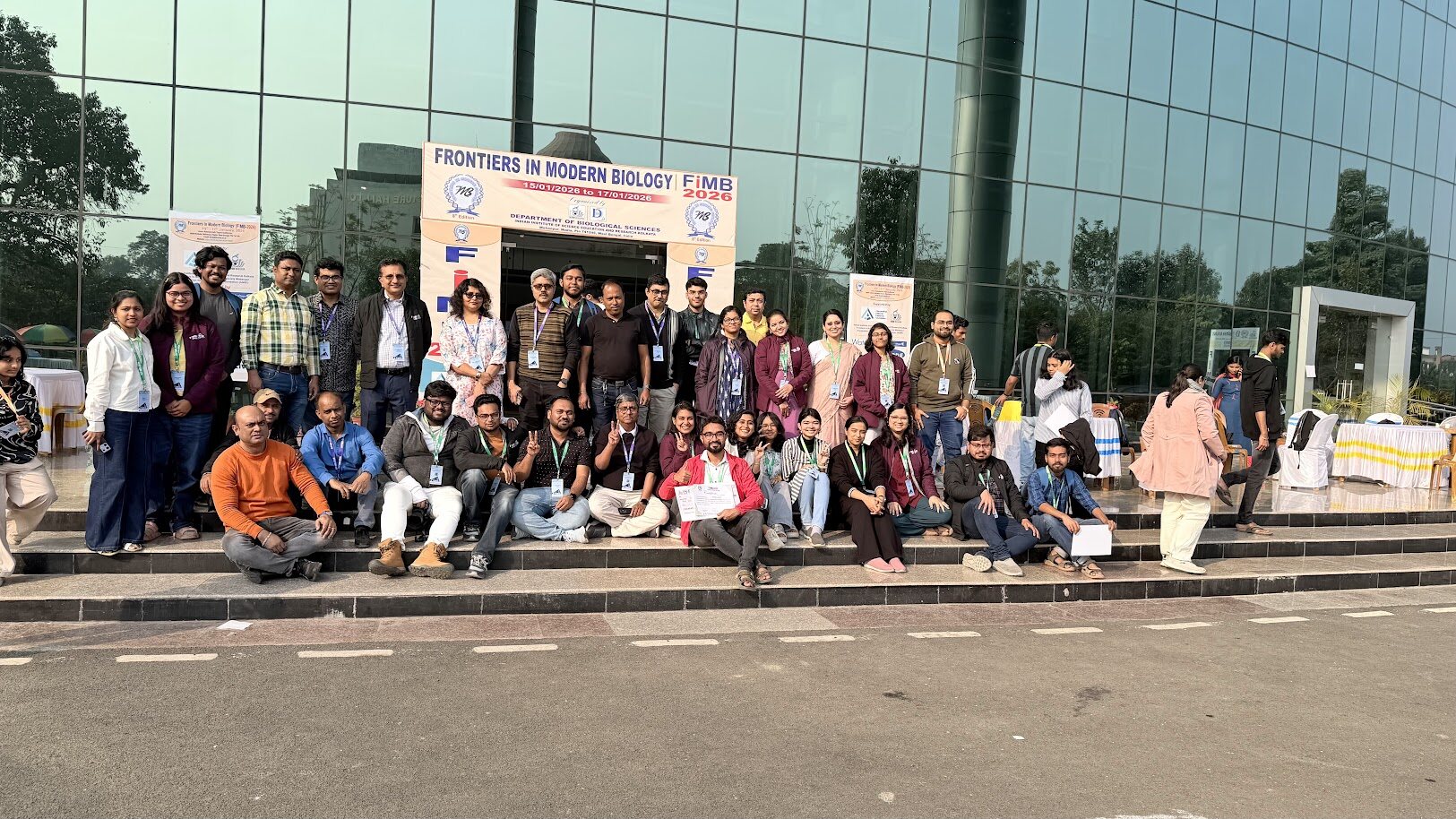
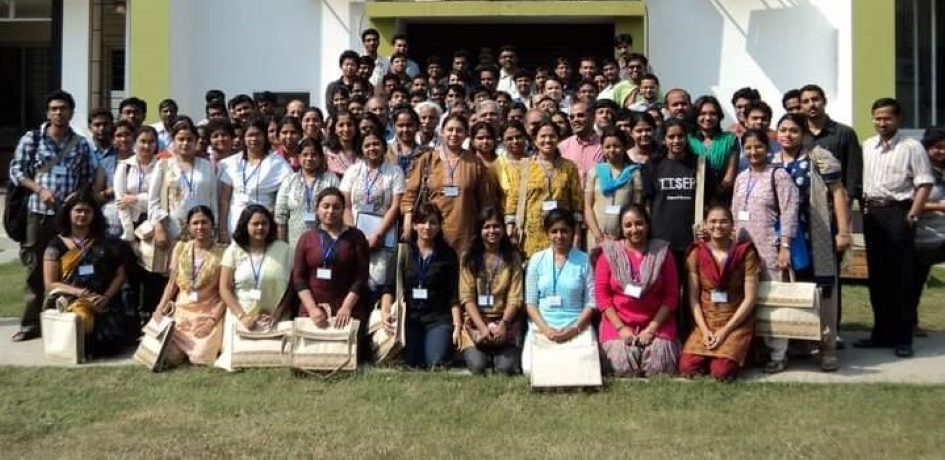 Group photo on campus
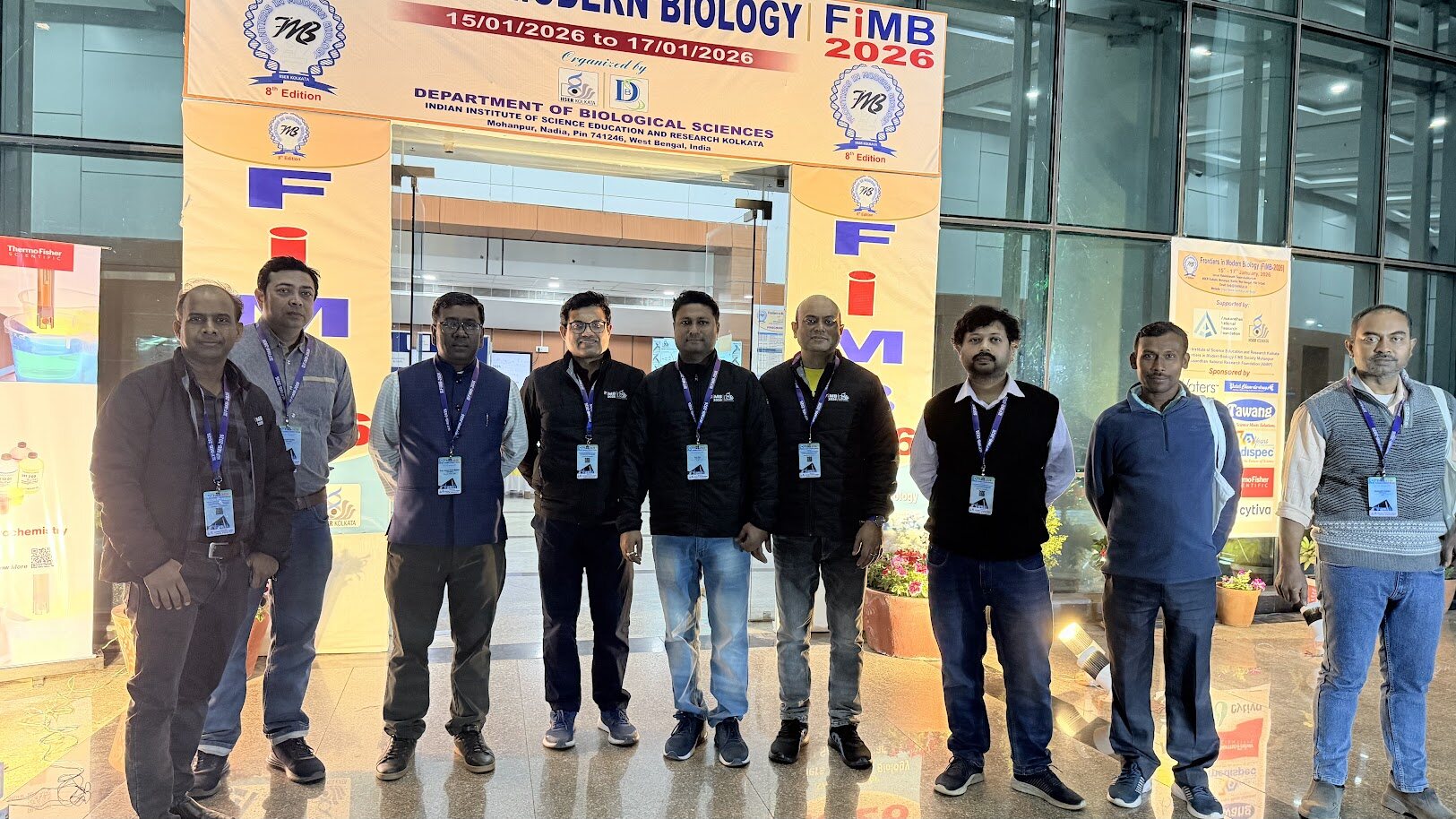
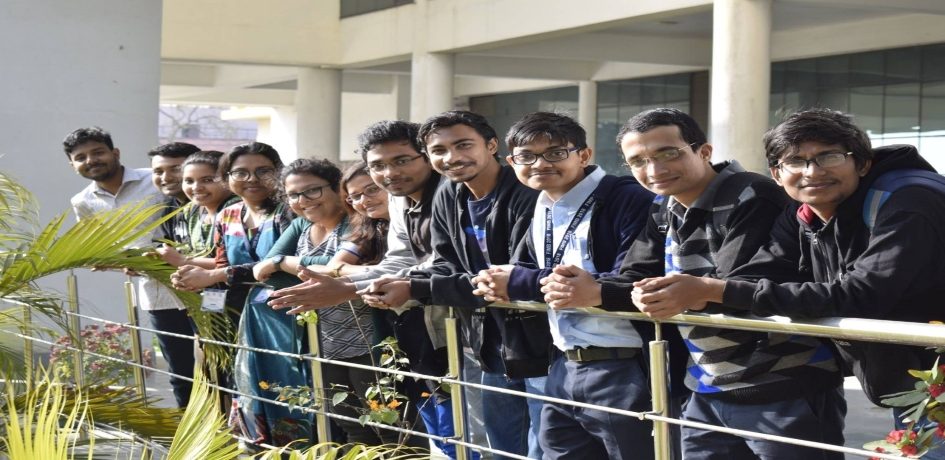 Students on campus
Since its founding in 2006, the Department of Biological Sciences at IISER Kolkata has pursued a single conviction: that the deepest questions in biology rarely respect the boundaries between disciplines. Our laboratories move fluidly between the molecular and the organismal, and work closely alongside colleagues in the physical, chemical, mathematical and earth sciences to sustain a research culture that is genuinely interdisciplinary.
Across cell and molecular biology, developmental biology, neurobiology, computational biology, structural biology and biophysics, environmental biology, and animal behaviour, our research draws on model systems as varied as the questions themselves — bacteria and human cell lines, fruit flies and zebrafish, ants, dogs and mice. State-of-the-art confocal microscopy, flow cytometry, histopathology and tissue-culture facilities are maintained departmentally and institutionally, open to every investigator who needs them.
Our research spans a broad spectrum of biological sciences, from cell and molecular biology to whole-organism behaviour, fostering an environment where diverse disciplines converge through shared instrumentation and collaborative approaches. This interdisciplinary framework enables innovative research across multiple scales of biological organization.
A major focus of our work is understanding how plants adapt and respond to a changing climate. By investigating the genetic, molecular, and cellular mechanisms underlying temperature sensing and adaptation, we aim to unravel the fundamental processes that allow plants to thrive under warming environmental conditions. These insights contribute to advancing our understanding of plant resilience and informing strategies for sustainable agriculture in the face of climate change.
From plants and animals to microbial communities — exploring ecological interactions, behaviour, biodiversity, and how environmental change and evolutionary processes shape natural ecosystems.
Read more
Resolving the shape and mechanics of biomolecules — from single proteins to macromolecular assemblies — to understand how structure gives rise to function.
Read more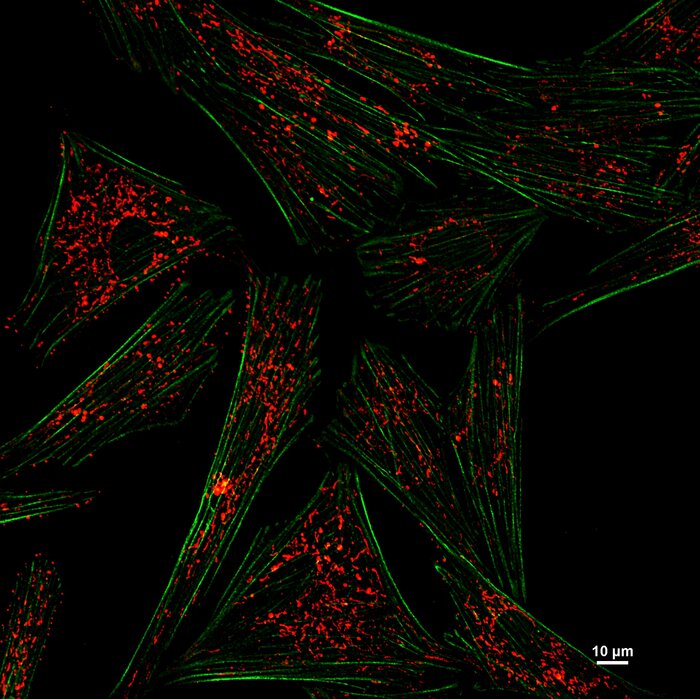
Tracing how a single cell builds an organism, and how stem and progenitor populations maintain, repair and pattern tissue across the lifespan. Also, focuses on unravelling the genetic and cellular mechanisms that dictate how plants adapt and respond to climate change, especially warm temperatures.
Read more
Connecting molecular and cellular dysfunction to human disease — from infection and immunity to cancer and metabolic disorders.
Read more
Investigating microbial life across terrestrial and marine environments, from single-cell physiology to community-level ecology.
Read more
Engineering biological parts, circuits and systems to probe fundamental principles and build new functions from the ground up.
Read moreDepartmental and institutional infrastructure, maintained for easy access across every research group — enabling collaboration to flourish rather than compete for instrument time.
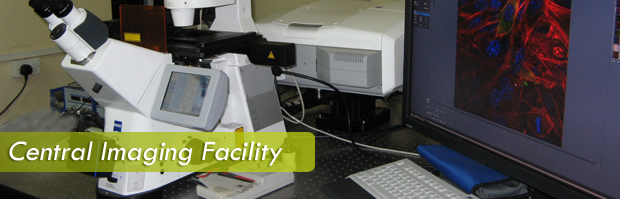
Confocal & fluorescence microscopy
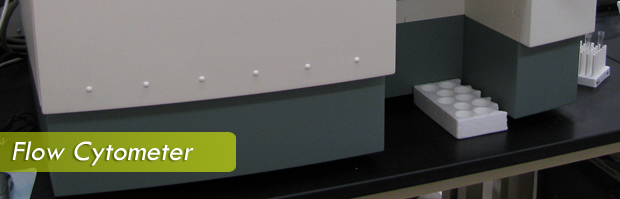
High-throughput single-cell analysis
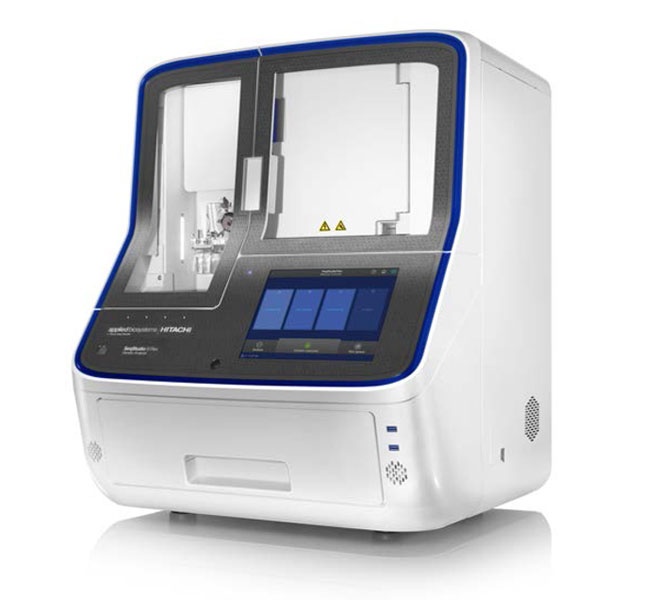
Genomic & transcript analysis
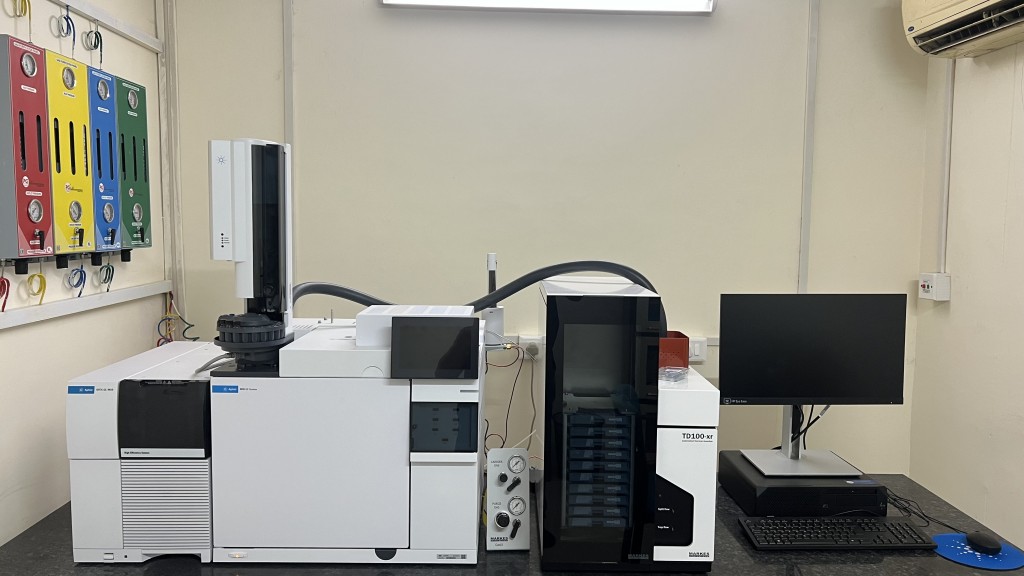
Gas chromatography–mass spectrometry

Danio rerio husbandry & imaging
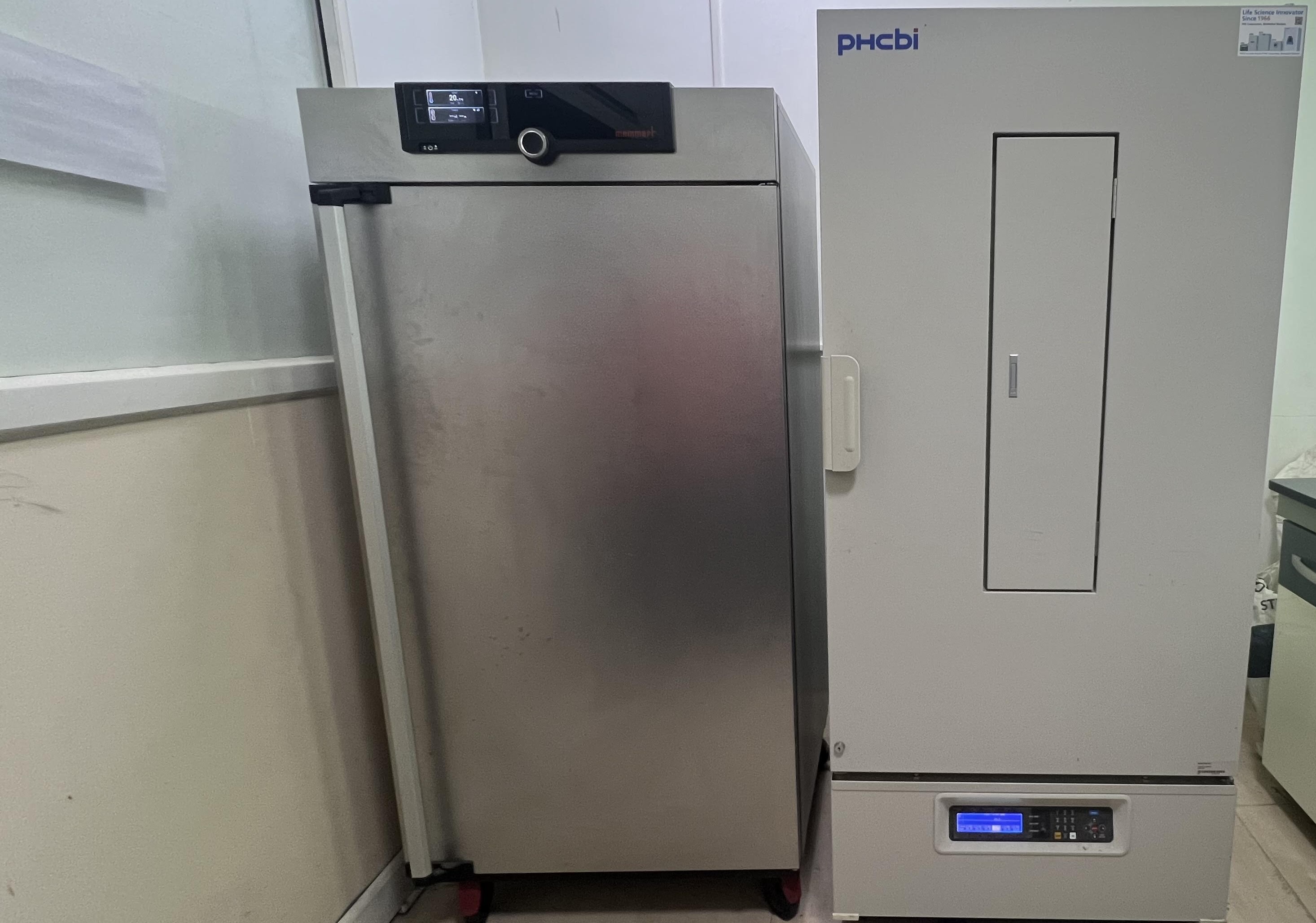
Drosophila stocks & behavioural assays
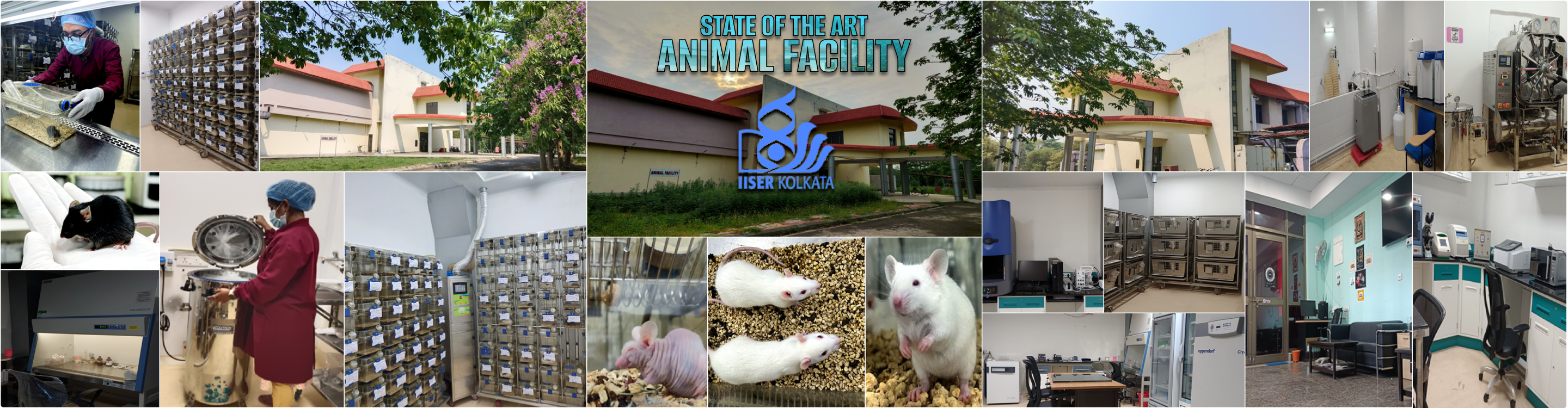
Rodent husbandry for in-vivo research
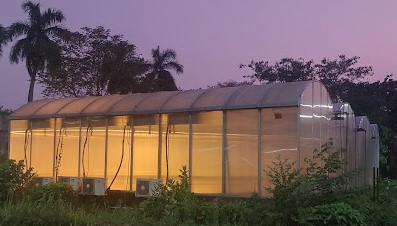
Controlled growth for plant biology

Tissue processing & microscopy
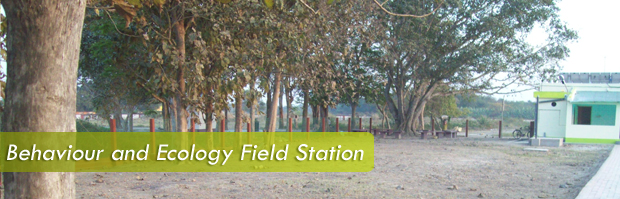
Free-ranging animal studies

Biochemical & analytical services

Super-resolution nanoscopy
Twenty-six faculty members — many holding prestigious national and international fellowships — lead a community of more than a hundred PhD students, forty integrated-PhD scholars, project fellows, postdoctoral researchers and support staff, together with undergraduate BS-MS students majoring in biology.
Professor Jayasri Das Sarma has been elected a Fellow of the Indian National Science Academy (INSA) in recognition of her contributions to Indian science.
Prof. Amirul I. Mallick has been elected a Fellow of the Royal Society of Biology (FRSB), recognising sustained contribution to the biological sciences.
Prof. Bhadra has been recognised by the Indian National Bar Association and featured in “The Phenomenal SHE,” a book celebrating 100 distinguished women.
An expanding community of graduates now leading research and industry worldwide — browse the alumni database or step through the photo archive.