Research in the Department of Biological Sciences span from the molecular to the organismal levels using various model systems such as bacteria, protozoa, human cells, plants, fruitflies, zebrafish, ants, mice and dogs to try to answer various outstanding questions in biology. This is complemented by research in theoretical and computational biology. Together, this provides a broad and interdisciplinary platform of research covering nearly all areas of modern biology.
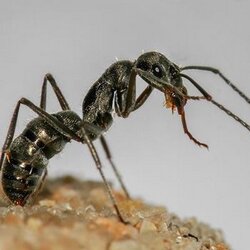
From plants and animals to microbial communities — exploring ecological interactions, behaviour, biodiversity, and how environmental change and evolutionary processes shape natural ecosystems.
Read more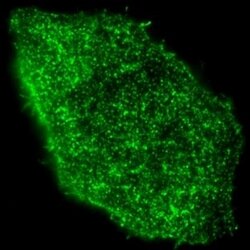
Resolving the shape and mechanics of biomolecules — from single proteins to macromolecular assemblies — to understand how structure gives rise to function.
Read more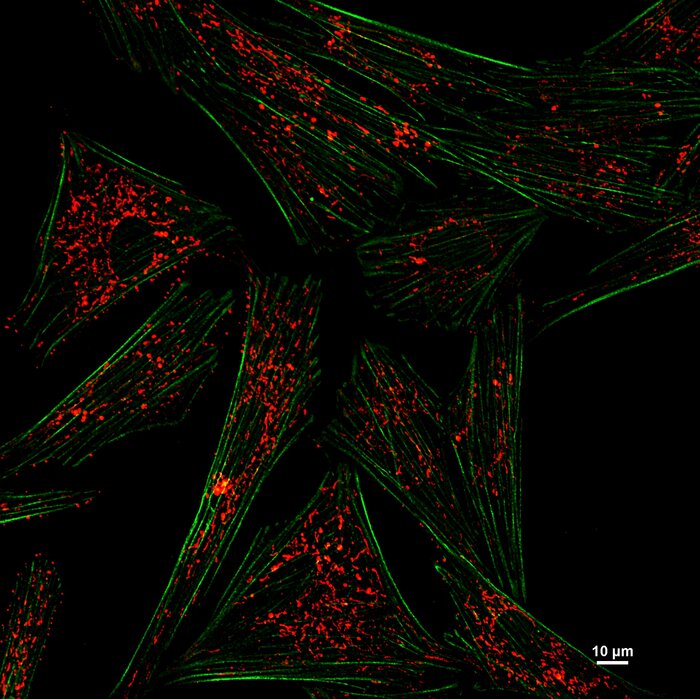
Tracing how a single cell builds an organism, and how stem and progenitor populations maintain, repair and pattern tissue across the lifespan. Also, focuses on unravelling the genetic and cellular mechanisms that dictate how plants adapt and respond to climate change, especially warm temperatures
Read more
Connecting molecular and cellular dysfunction to human disease — from infection and immunity to cancer and metabolic disorders.
Read more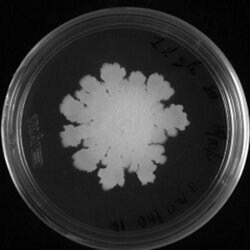
Investigating microbial life across terrestrial and marine environments, from single-cell physiology to community-level ecology.
Read more
Engineering biological parts, circuits and systems to probe fundamental principles and build new functions from the ground up.
Read more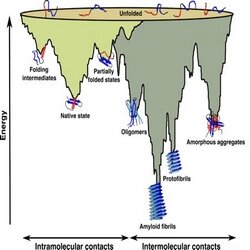
Building quantitative and computational frameworks to model biological systems, from molecular dynamics to population-scale phenomena — complementing wet-lab research across the department.
Read moreSee the department's recent publications and teaching programme for how this research feeds into the curriculum.